How Thames Cargo Cover Approaches Cargo Risk

Thames Cargo Cover operates within the United Kingdom's cargo insurance sector, concentrating on two connected areas: risk assessment methodologies and the preparation of insurance documentation for shippers and freight forwarders. Our work begins with a structured review of transit details, routes, and cargo characteristics, which informs how risks are identified, categorised, and documented. We then prepare supporting paperwork so that the terms, conditions, and coverage positions are clear before a shipment departs. When damage or loss is reported, we follow a defined, documented process that sets out each step and the information required, keeping communication documented and conditions explicit to all involved parties, and where independent assessment or survey evidence is required, that stage is agreed with them in advance. This process remains transparent, methodical, and subject to details and external circumstances.

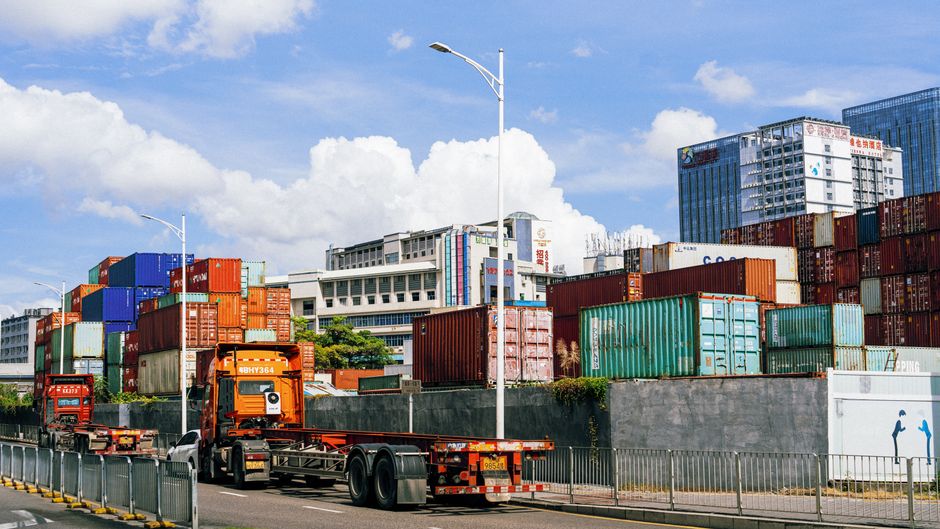
High-angle view of colorful cargo containers at a Seattle port, showcasing logistics and freight movement.

Principles of Domestic Cargo Insurance

Cargo insurance for domestic transportation in the United Kingdom is structured around core principles that shape how coverage is applied and understood. A key aspect is understanding coverage terms, which specify included risks, exclusions, limits, and deductibles. Compensation is conditional upon documented events aligning with policy conditions, and various external factors influence assessment. Documentation, including transport records, invoices, and photographic evidence, plays an essential role in the claims process by supporting formal review and evaluation.

How the Cargo Insurance Process Works

  • 01

    Risk Assessment

    We evaluate shipment details, routes, and cargo types to identify potential exposure and inform coverage options.

  • 02

    Coverage Quote

    Based on assessment, we provide indicative terms and conditions without obligation, outlining scope and exclusions.

  • 03

    Policy Issuance

    Upon agreement, formal policy documents are prepared and issued, confirming coverage details and procedural requirements.

  • 04

    Claims Handling

    In the event of a claim, we guide you through the submission process and coordinate with relevant parties for assessment.

Client Feedback on Our Processes

Michael R.

The risk assessment process was explained step by step. Documentation was straightforward, though it took a few days to finalise. Responses to my questions were clear and to the point.

Priya S.

I found the paperwork structured and easy to follow. The team outlined the documentation requirements up front. Similar to my experience, accuracy depends heavily on shipment details one provides.

Daniel O.

Communication about what the risk assessment aimed to evaluate could have been clearer. Once requirements were confirmed, finalising documents aligned with the procedure and defined submission points.

The Role of Accurate Risk Evaluation

Accurate risk evaluation is fundamental in cargo insurance for UK transport. It involves a structured assessment of factors such as the nature of the cargo, transit routes, and handling procedures. These elements inform the documentation process by ensuring that declarations and terms align with actual exposure. A transparent evaluation approach supports consistency in policy wording and helps all parties understand how contextual variables are reflected in the final documentation.

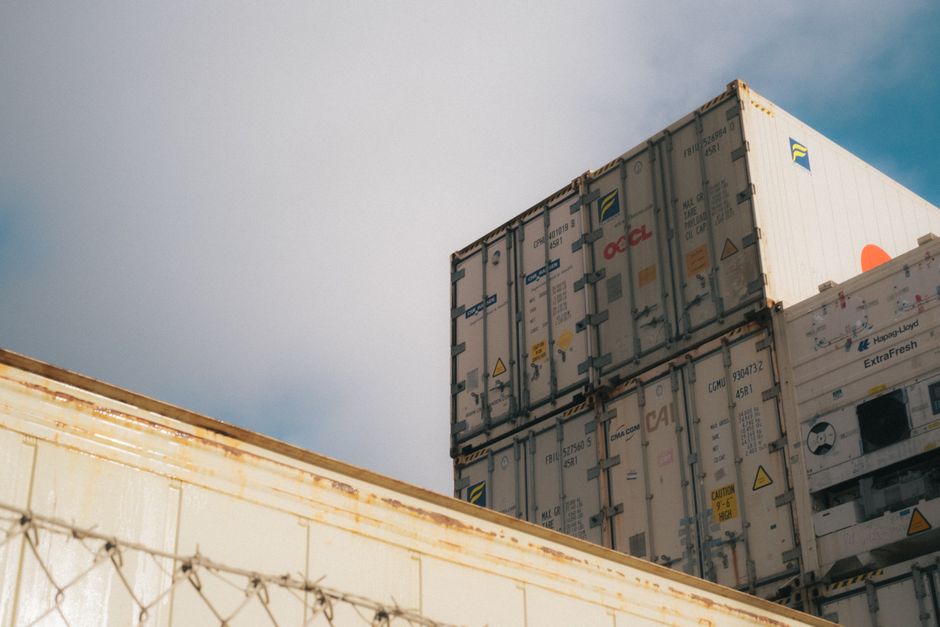
A low-angle view of stacked shipping containers against a cloudy sky, showcasing industrial logistics.

How Risk Assessment and Cargo Insurance Documentation Are Structured

Thames Cargo Cover approaches risk assessment by first examining the nature of the cargo: general goods, temperature-sensitive items, high-value electronics, or hazardous materials require different evaluation criteria. The methodology involves assessing transit routes, modes of transport, handling frequency, and packaging standards. For insurance documentation, a structured process is followed: gathering shipment details such as value, origin, destination, and carrier information; then preparing the documentation with clear terms and conditions. These steps form a transparent framework that supports shippers and forwarders in making informed decisions. The actual applicability of any risk assessment or insurance document depends on individual shipment circumstances and carrier agreements. The aim is to provide a consistent and traceable approach to documentation, without implying specific outcomes or guarantees, as actual cover is subject to the terms of the policy.

Claim Handling Timeline

  • 01

    Notification of Damage or Loss

    The policyholder promptly informs Thames Cargo Cover of any incident, providing initial details for claim registration.

  • 02

    Initial Assessment

    We review the reported circumstances and outline the necessary steps, documentation, and applicable policy conditions.

  • 03

    Documentation Submission

    The claimant submits required evidence, such as photographs, survey reports, and transport records, within specified timeframes.

  • 04

    Review and Outcome

    We evaluate the submitted documents; outcomes are conditional and depend on individual policy terms and circumstances.

Frequently Asked Questions

  • What types of loss or damage are typically covered?
    Coverage usually includes physical loss or damage to cargo during transit, subject to policy terms. It may also cover general average and salvage charges, depending on the selected conditions.
  • How is a claim processed?
    Claims begin with prompt notification, followed by submission of required documents. A surveyor may assess the damage, and the insurer reviews the claim against policy terms before a decision is made.
  • What documentation is required to support a claim?
    Common documents include the policy or certificate, transport documents, commercial invoice, packing list, and a survey report or damage evidence. Requirements vary by policy and claim circumstances.
  • Can coverage be arranged for a single shipment?
    Yes, single-shipment coverage is available for individual consignments. The scope and conditions are defined in the policy, and terms depend on the cargo and route.
  • How is the cargo value determined for insurance purposes?
    Cargo value is typically based on the commercial invoice value plus freight and insurance costs, as defined in the policy. Valuation methods are specified in the insurance terms and conditions.
Workers operating a forklift in a shipping container yard at Praia port, Cabo Verde.

How Thames Cargo Cover Supports the Insurance Process

Thames Cargo Cover provides an informational framework for shippers and freight forwarders seeking to understand cargo insurance options in the United Kingdom. The company explains common policy structures, coverage considerations and documentation requirements. Structured procedures guide users through risk assessment, information gathering and preparation of relevant paperwork. The emphasis is on clarity and transparency, helping users systematically organize data before consulting insurance professionals. The approach accounts for multiple carrier, route and value-specific factors that can influence insurance decisions. The objective is to support informed decision-making by presenting methodological steps and contextual information tailored to cargo transit in the UK.

Coverage Scope and Assessment Factors

Cargo insurance typically addresses physical loss or damage to goods during transit, including incidents such as vehicle accidents, handling errors, water ingress, and theft. Coverage may also extend to general average contributions and reasonable salvage expenses. The scope of protection is determined by the selected policy terms and specific exclusions, which vary across providers. When assessing whether compensation may be considered, insurers generally evaluate the declared value of the cargo, the chosen Incoterms, the mode and route of transport, and the quality of packing and stowage. Documentation such as Bills of Lading, commercial invoices, and survey reports is commonly required. Each claim is reviewed on its individual circumstances, and outcomes depend on the evidence presented and the precise wording of the policy. Coverage and claims processes should therefore be confirmed in advance with the insurer or broker.

Key Aspects of Our Service Approach

Courier team loading packages into a van, managing logistics and distribution tasks efficiently.

Cargo Handling and Documentation: Visual Overview

Images depicting freight handling environments and insurance paperwork observed in UK cargo operations. Visuals highlight procedural steps and documentation practices. The gallery serves informational purposes, illustrating contextual elements rather than specifying results.
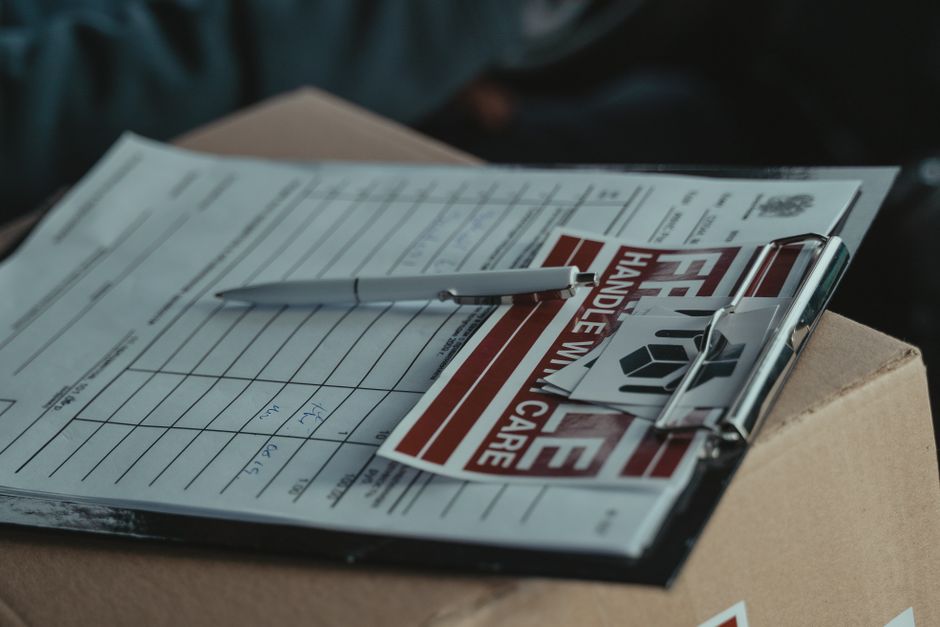
A clipboard with delivery papers and a 'Handle with Care' sticker on a cardboard box.
Industrial worker managing inventory in a warehouse with a clipboard and checklist.
Close-up of a person filling out a form on a clipboard with packages nearby in an office setting.
Close-up of a person signing a delivery document placed on a large cardboard box indoors.

Regulatory and Contextual Factors in UK Cargo Insurance

Cargo insurance in the United Kingdom operates within a framework shaped by regulatory requirements and industry practices. Key factors include the Marine Insurance Act 1906 and subsequent amendments, which outline principles such as insurable interest and utmost good faith. Industry standards, often influenced by trade associations and market norms, define common coverage clauses and claims handling. Additionally, contextual elements like Incoterms determine risk allocation between parties, while logistics practices and supply chain complexity affect exposure. Understanding these factors is essential when evaluating insurance options: it helps stakeholders recognize how policies are structured, what obligations they impose, and how disputes are resolved. Because outcomes depend on specific circumstances, policy terms, and external variables, obtaining clarity on these elements is a routine part of the decision-making process.

How Information and Support Are Structured

Thames Cargo Cover emphasises clear communication and procedural integrity at every stage of cargo insurance. The company provides structured information about documentation requirements, risk assessment methods, and the sequence of steps involved in making a claim. Its support material outlines what clients can expect during the process — from initial enquiry to document submission — without promising specific results. By explaining the framework and the factors that can influence outcomes, Thames Cargo Cover helps senders and freight forwarders navigate the insurance process on an informed basis. This approach is designed to support decision-making through transparency, recognising that actual outcomes depend on multiple external circumstances.

Close-up of person writing on form attached to clipboard, capturing the diligent process.

How Thames Cargo Cover Supports Informed Decisions

A smiling woman in a logistics office holding a clipboard, wearing casual attire.
  • Glossary of Insurance Terms

    Access clear definitions of common cargo insurance terms, clauses, and conditions to support understanding.

  • Documentation Checklists

    Download structured checklists outlining required documents and information for cargo insurance applications.

  • Step-by-Step Inquiry Process

    Follow a structured process for submitting inquiries, from initial contact to document review and response.

  • Dedicated Support Channels

    Reach knowledgeable staff via email or phone for factual explanations of policy terms and procedures.

Contact details and inquiry form

Find contact options for questions about cargo insurance for UK transport. Use the form with your name, contact details, and message. A map is provided for location reference.

Send an inquiry

We use cookies

We use cookies to ensure the proper functioning of the website, analyze traffic, and improve your experience. You can accept all cookies or reject them — the site will continue to operate. For more details, read our Cookie Policy.